(adsbygoogle = window.adsbygoogle || []).push({});
(adsbygoogle = window.adsbygoogle || []).push({});
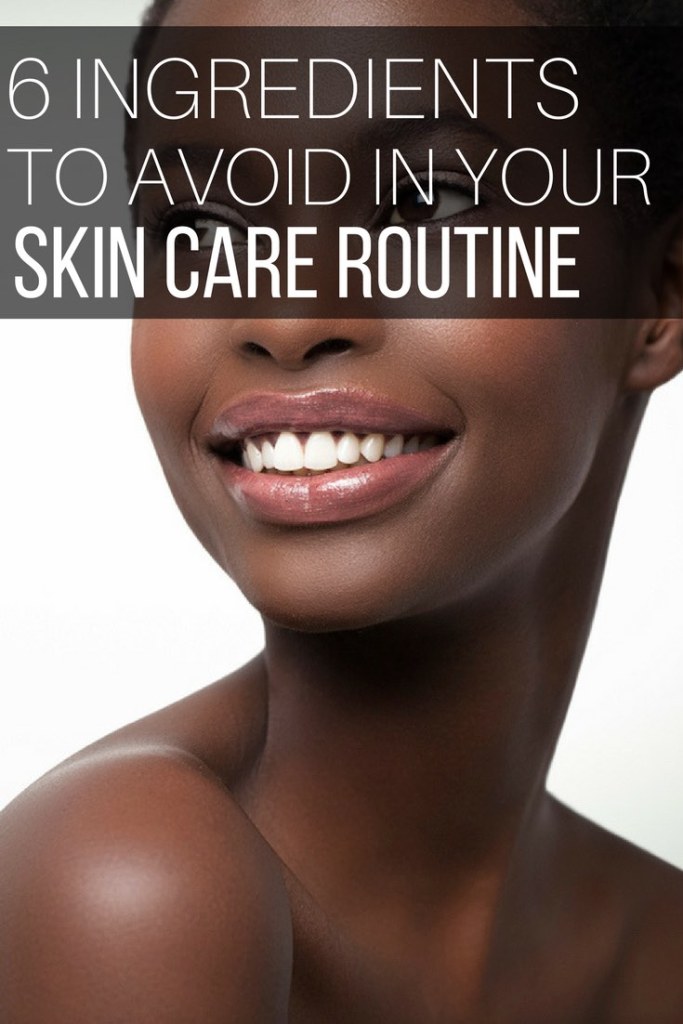
Skin Care Routine Don’ts
(adsbygoogle = window.adsbygoogle || []).push({});
Microbeads
Microbeads used to be a popular ingredient in many facial washes and exfoliants. They provide effective physical exfoliation in cleaning out gunk and sebum from your pores.
What you may or may not know is that those little plastic beads that just ended up going down the drain and having an adverse effect on the environment. Continued use of microbeads caused an accumulation that clogged up waterways due to the fact that they cannot be broken down in an organic manner.
Aside from adding to existing water pollutants, microbeads may be ingested by seafowl and fish, causing them to fall sick and then die.
The U.S. as well as several other countries have already banned it.
Ingredients to Look For
Usually “microbeads” is indicated on the front label. You can also check your facial wash or exfoliator for any of the following ingredients:
- polyethylene (PE)
- polypropylene (PP)
- polyethylene terephthalate (PET)
- polymethyl methacrylate (PMMA)
(adsbygoogle = window.adsbygoogle || []).push({});
Acetone
Acetone is the active ingredient of nail polish remover. We all have a bottle I’m sure.
Imagine using something that strong and powerful in your skin care routine, yikes!
You may find this ingredient included in certain drugstore products, such as astringents and toners. It dries your skin and can cause severe breakouts and irritation.

Instead, opt for a face toner that uses natural ingredients to cleanse and prep you for the rest of your skin care routine.
(adsbygoogle = window.adsbygoogle || []).push({});
Bad Alcohols
Not all alcohols are created equal. You may notice that the isopropyl alcohol used to disinfect a wound can be extremely drying.
Certain types of alcohol do affect the skin in different ways, some more beneficial than others.
What to Look For
Look out for these types of alcohol:
- ethanol or ethyl alcohol
- denatured alcohol
- methanol
- SD alcohol
- benzyl alcohol
They contribute to breakouts due to an increase in dead skin cell buildup, which can trap oils. They also strip your skin of water and moisture, causing it to easily get irritated.
You can rest assured if your skin care routine products only contains glycol. These are neutral alcohols that don’t irritate the skin and help it retain moisture.
(adsbygoogle = window.adsbygoogle || []).push({});
Sodium Lauryl Sulfate
This is a big one: sodium lauryl sulfate is a surfactant that can be found in many personal hygiene products, including shampoo, toothpaste, mouthwash, body wash, soaps and detergents.
It’s responsible for creating lather that makes your shampoo or toothpaste more effective at cleansing…but there’s a catch…Not only are products with SLS in them are drying and irritating, they encourage dead skin cell buildup.

(adsbygoogle = window.adsbygoogle || []).push({});
Hydroquinone
Hydroquinone is a bleaching agent. People used it in their skin care routine to to lighten dark skin, hyperpigmentation, or melasma.
It’s been banned in many countries due to a long list of unpleasant side effects it might cause:
- discoloration
- skin dryness
- possible burning
Instead, use a product rich in vitamin C like Ace-ferulic serum to brighten the skin and lighten your skin tone. Vitamin C also promotes collagen production, which makes your skin look healthy and plump.
Abrasives
Abrasives can be found in products that claim to exfoliate the skin with the use of natural ingredients, such as ground fruit pits.
They’re bad for your skin because they are rough, angular, sharp, large and non-uniform, which means that in order to clean and smoothen your face, it is physically slicing and cutting it. Ouch!
Think of abrasives as hundreds of tiny knives slashing at your skin. They may even get deep enough to slice into the epidermis.
Using abrasives weakens your skin’s natural moisture barrier and causes it to become more prone to irritation. Who wants that?!?!
(adsbygoogle = window.adsbygoogle || []).push({});
The Gist of it
To be safe, make it a habit to check the ingredients and materials listed in the packaging before purchasing a product. This practice will not only prevent harmful substances from damaging your skin, it can also help you maintain a more eco-friendly skin care routine.
P.S. If you enjoyed this post, sign up to my newsletter to get the latest advice, tips, giveaways and freebies right into your inbox!
(adsbygoogle = window.adsbygoogle || []).push({});
(function(d, s, id) {
window.Wishpond = window.Wishpond || {};
Wishpond.merchantId = ‘867182’;
Wishpond.writeKey = ’59f0e9b51410′;
var js, wpjs = d.getElementsByTagName(s)[0];
if (d.getElementById(id)) return;
js = d.createElement(s); js.id = id;
js.src = “//cdn.wishpond.net/connect.js”;
wpjs.parentNode.insertBefore(js, wpjs);
}(document, ‘script’, ‘wishpond-connect’));
(adsbygoogle = window.adsbygoogle || []).push({});


 The Wardrobe Stylist
Leave a reply to The Wardrobe Stylist Cancel reply